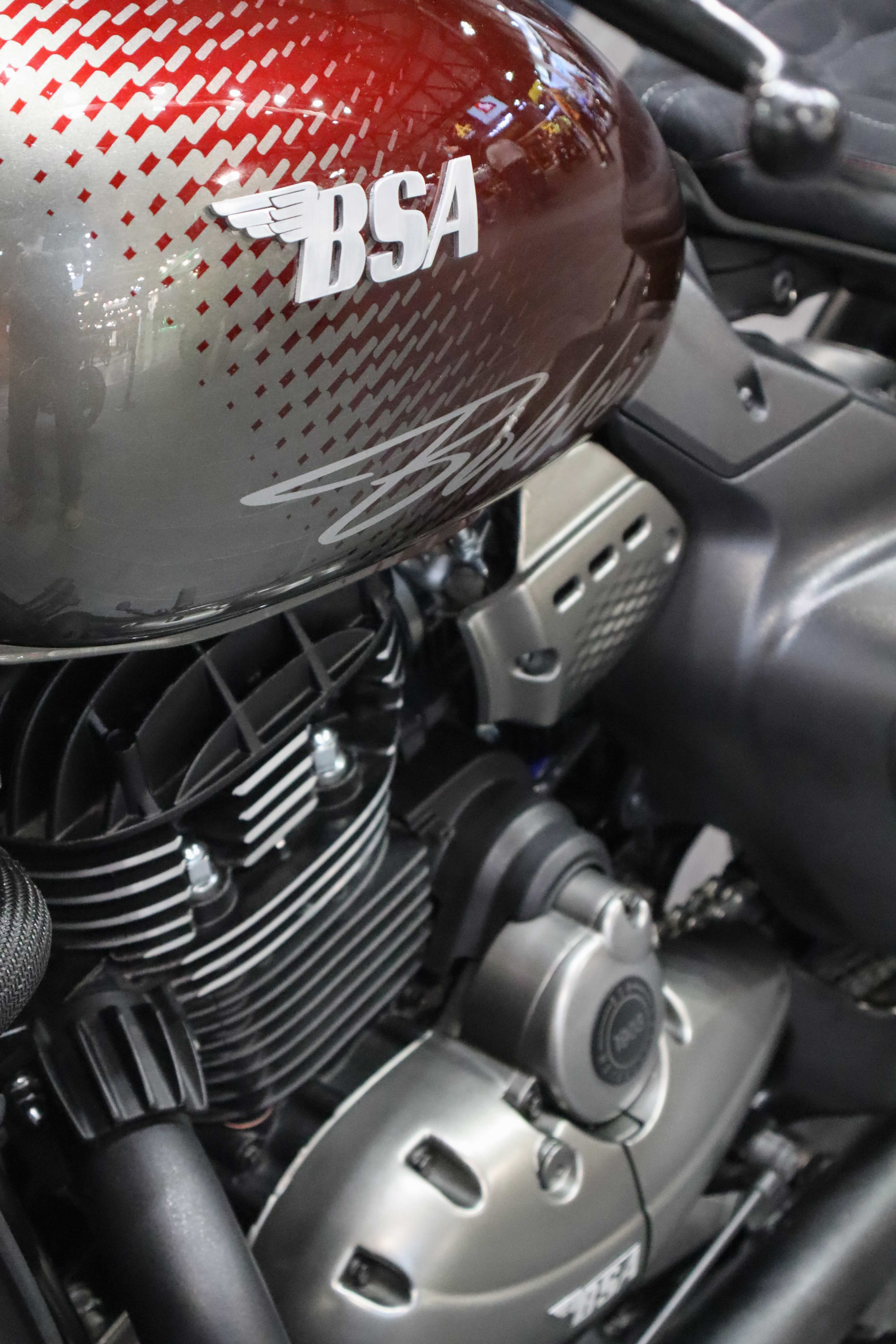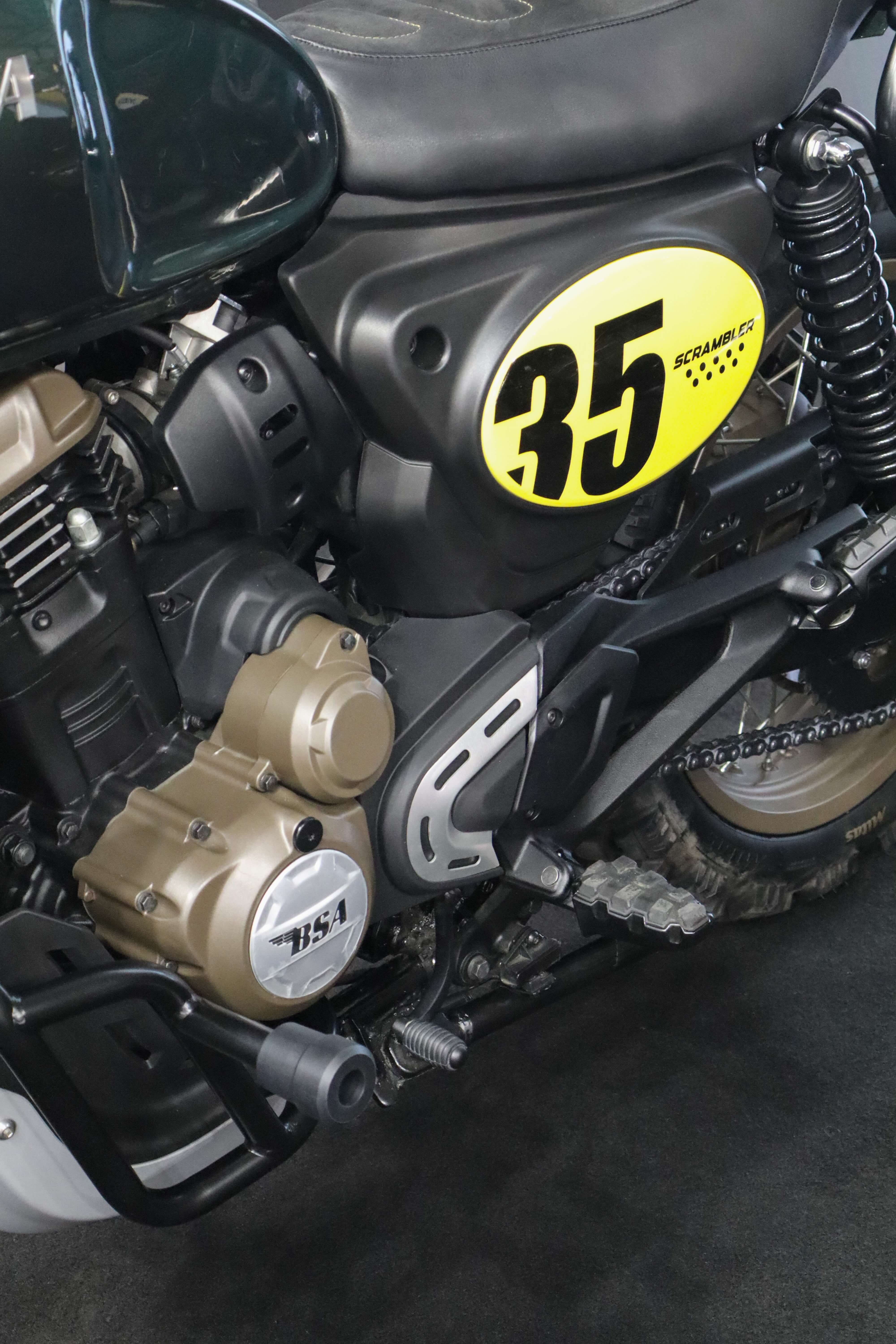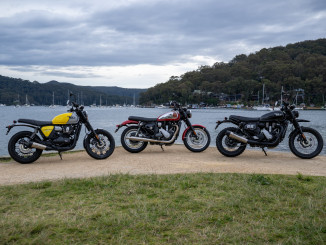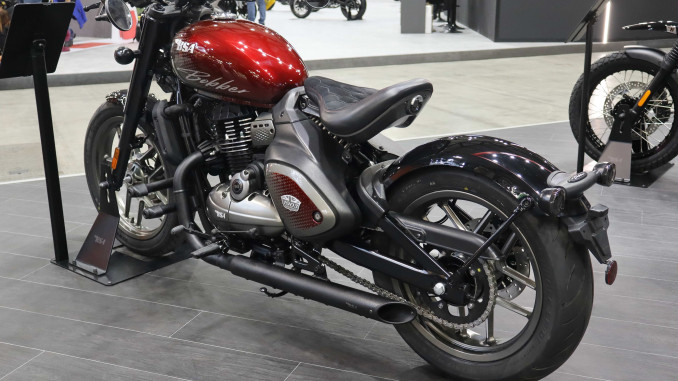
BSA has unveiled the Bantam Bobber 350 and Bantam Scrambler 350 at EICMA 2026, expanding its small-capacity range with two very different interpretations of the revived Bantam name.
The Bantam Bobber 350 combines a low solo seat with factory-custom styling, while the Bantam Scrambler 350 draws inspiration from the original 1966 BSA Bushman. Both feature liquid-cooled, DOHC single-cylinder engines and six-speed gearboxes, with market arrivals scheduled for 2027.
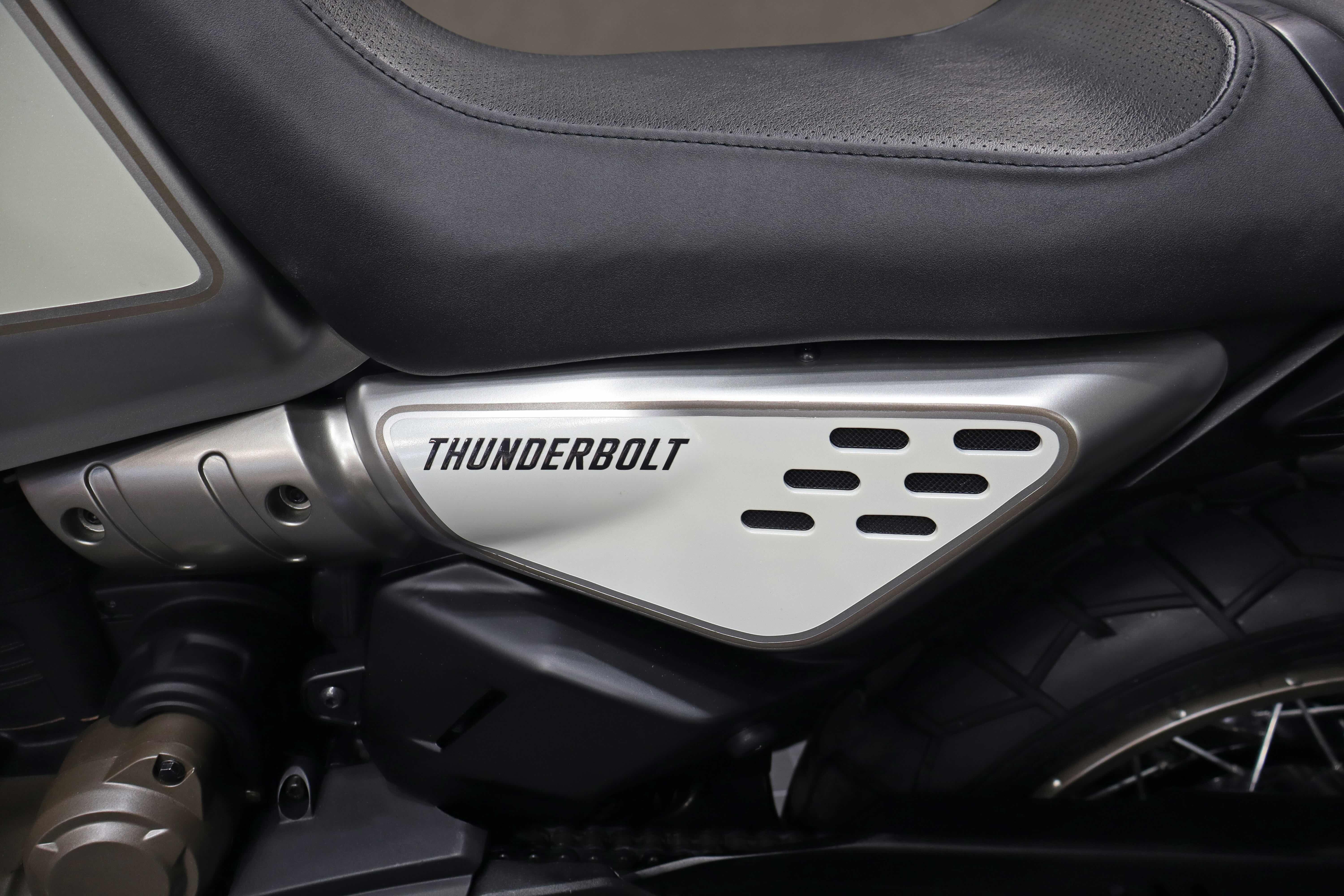
They’ll be joined by the Thunderbolt 350 adventure bike, first shown at EICMA last year. Australian pricing and arrival dates are to be confirmed.
The Bantam Bobber 350’s 334cc engine produces a claimed 28.22hp – approximately 21kW – at 8000rpm, with 26.4Nm at 6000rpm. Drive reaches the rear wheel through a six-speed gearbox and chain.
Its most accessible dimension is the 742mm seat height, which should appeal to shorter riders. Claimed wet weight is 189kg, wheelbase is 1500mm and the fuel tank holds 13.2 litres.
The standard Bobber uses 41mm conventional telescopic forks and a gas-filled rear monoshock with seven-position preload adjustment. Wheel sizes are 18 inches at the front and 17 inches at the rear, wearing 100/90 and 150/70 tyres respectively.
Braking is handled by a 320mm front disc and 240mm rear disc, with dual-channel ABS.
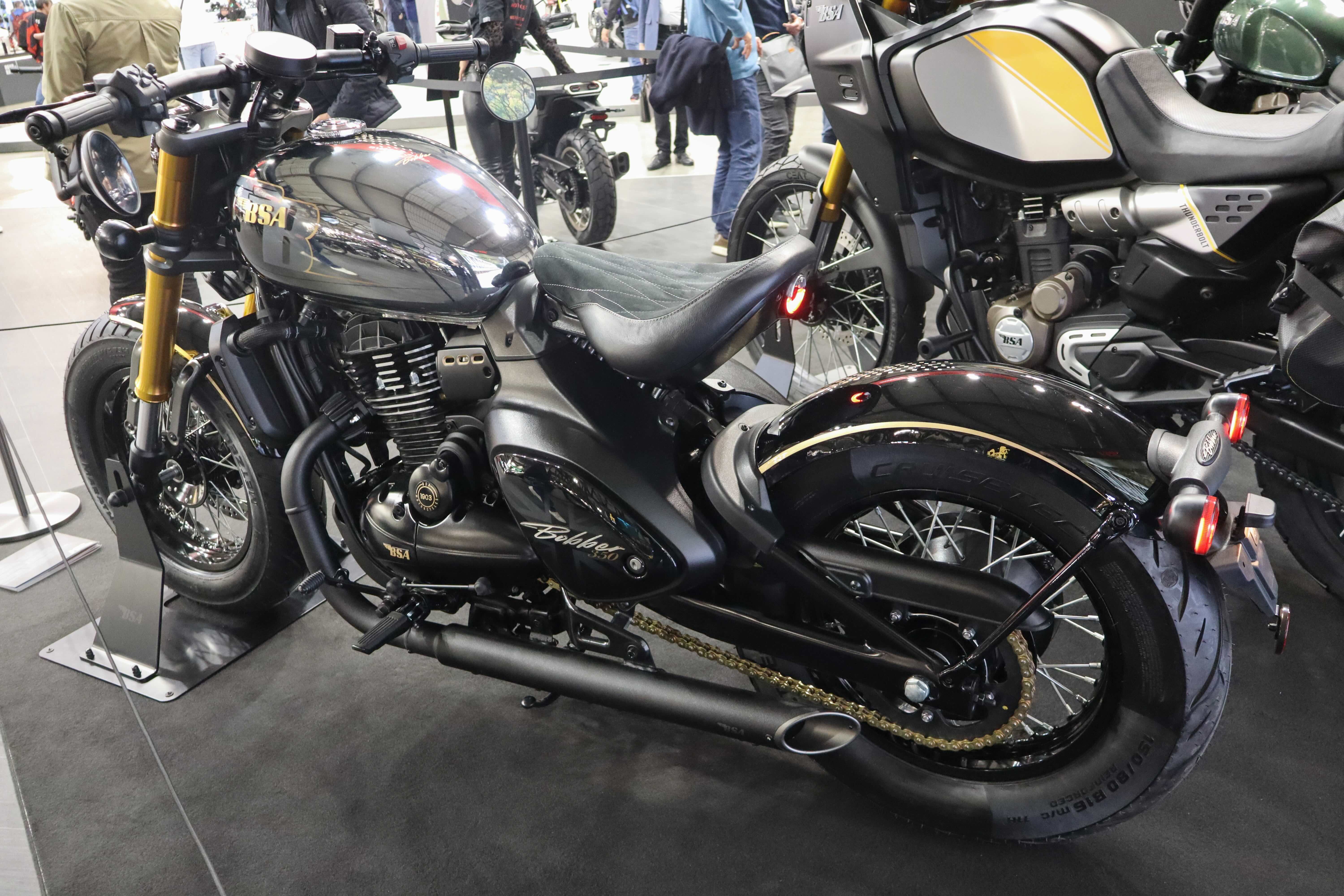
For riders wanting something more distinctive, the Bantam Bobber 350 SP – short for Special Parts – adds dark-chrome styling, gold 41mm upside-down forks and a full-colour TFT display.
The SP also swaps to 16-inch spoked wheels at both ends, with a substantially wider 130/90 front tyre and a 150/80 rear. Despite those changes, BSA lists the same 189kg wet weight, 742mm seat height and engine outputs as the standard model.
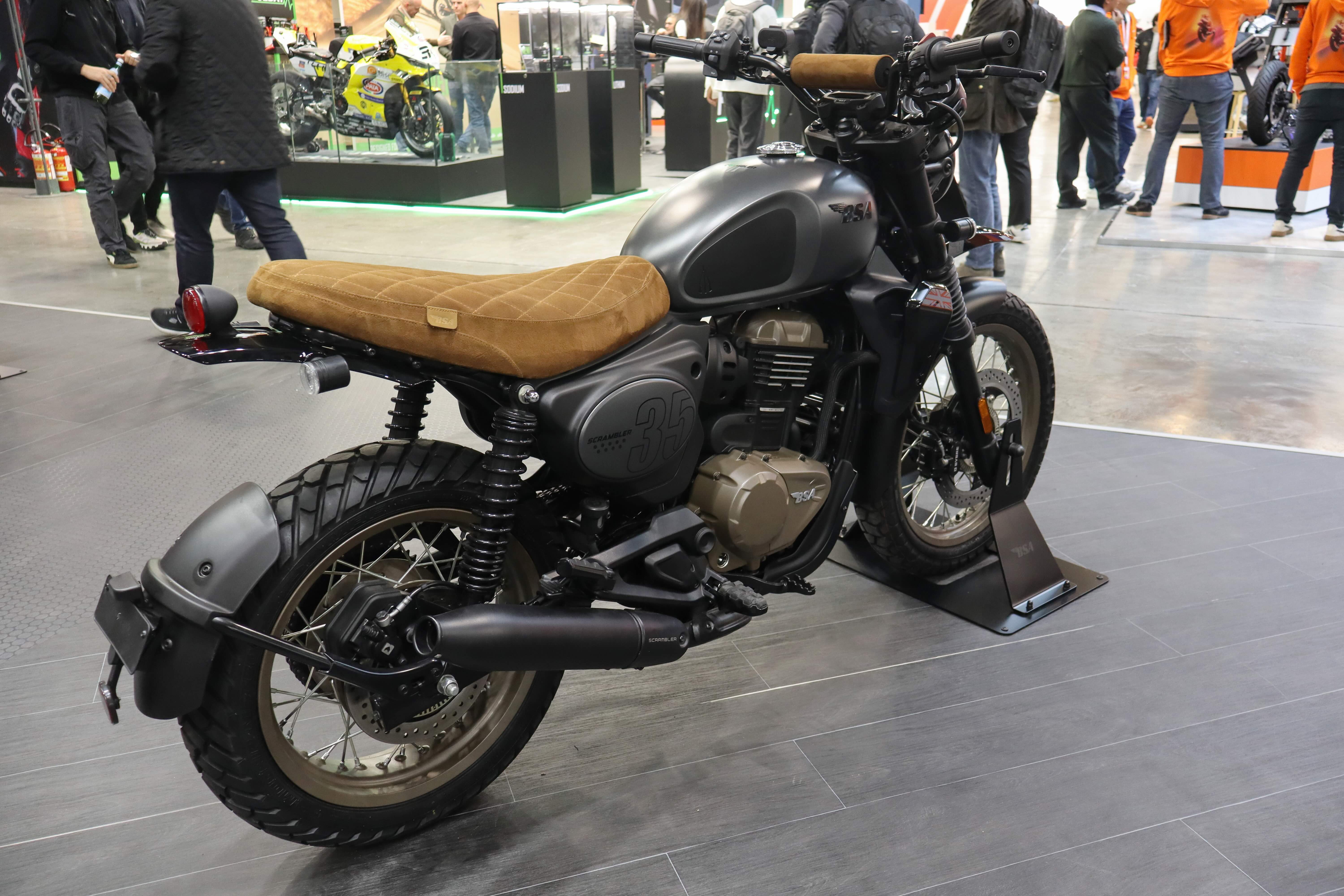
The Bantam Scrambler 350 takes a different approach, combining a bench-style seat, twin rear shocks and a 19-inch front wheel with styling inspired by BSA’s Bushman heritage.
Its 334cc single produces a claimed 29hp – approximately 21.6kW – at 8100rpm and 30Nm at 6750rpm. That gives it a modest power advantage over the Bobber, along with more peak torque.
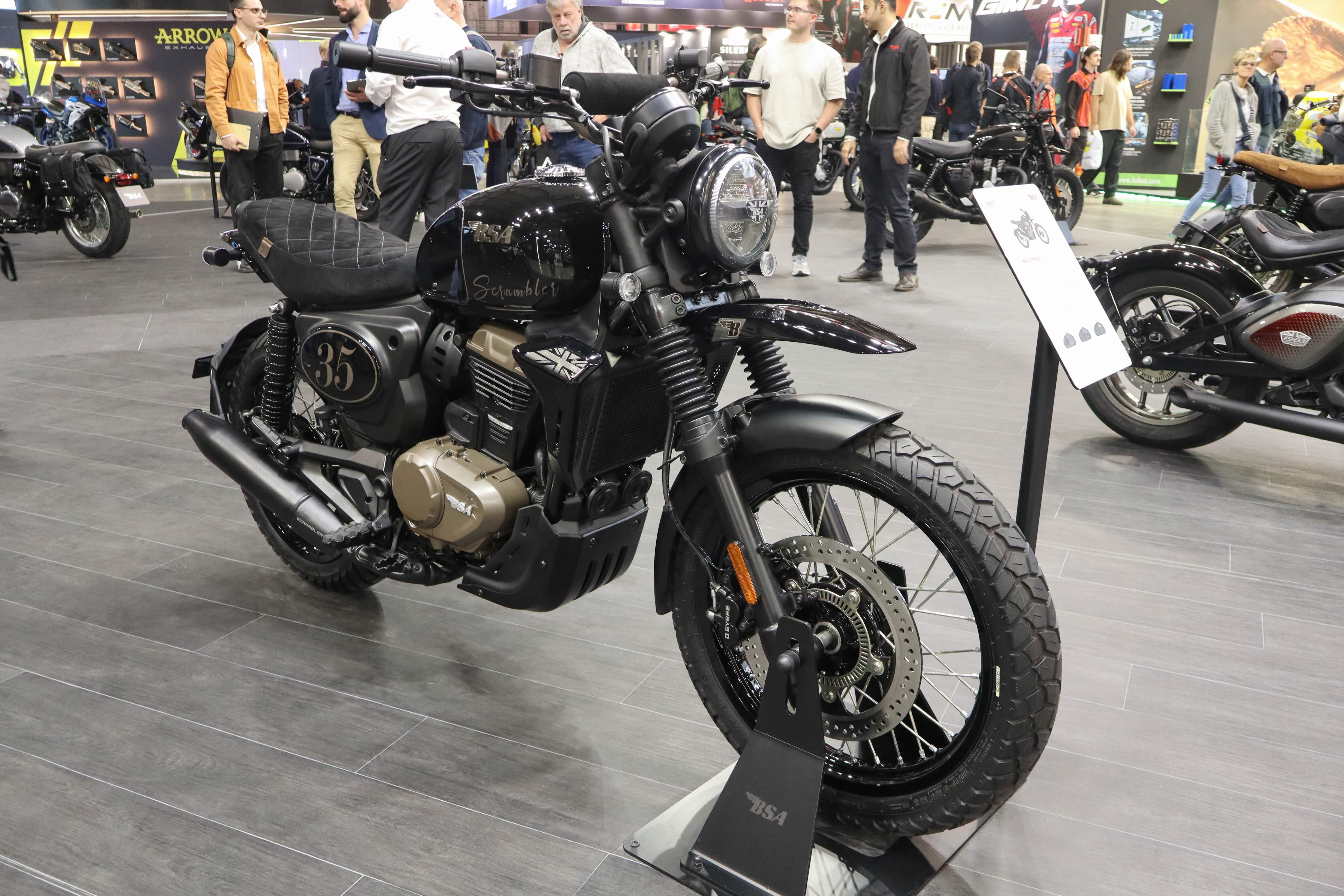
BSA says the Scrambler’s engine was developed to reduce weight and increase power, with gearing and delivery intended to provide useful low- and midrange response.
Claimed wet weight is 184kg, making it 5kg lighter than either Bobber. The seat sits at 812mm, wheelbase is 1403mm and fuel capacity is 12.5 litres.
Conventional telescopic forks offer 150mm of stroke, while the twin rear shocks provide 130mm of wheel travel and five-position preload adjustment. Spoked wheels measure 19 inches at the front and 17 inches at the rear, with semi-knobby tyres completing the scrambler look.
A single 320mm floating front disc and 240mm rear disc provide braking, supported by dual-channel ABS. Black, green and grey colour options will be available.
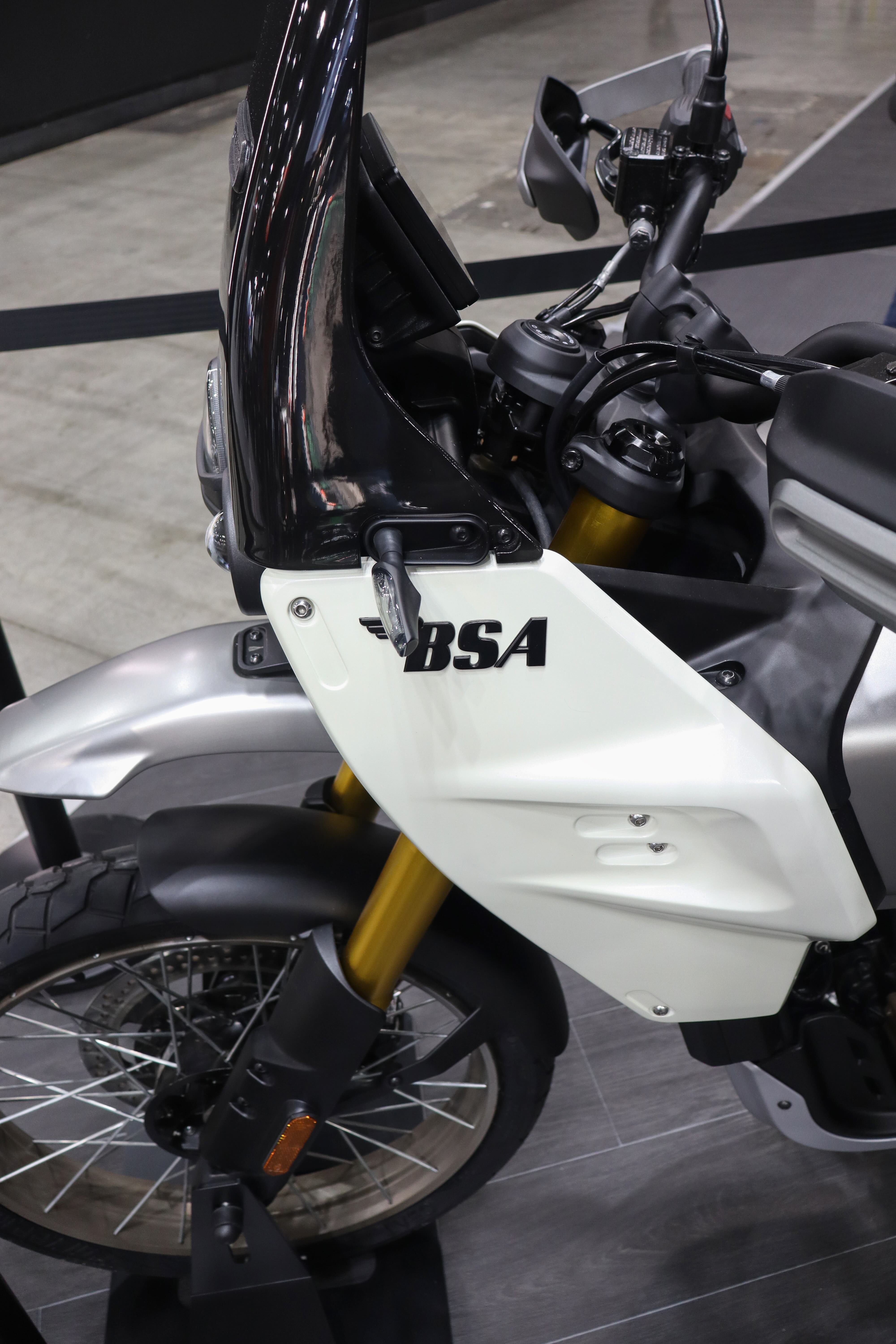
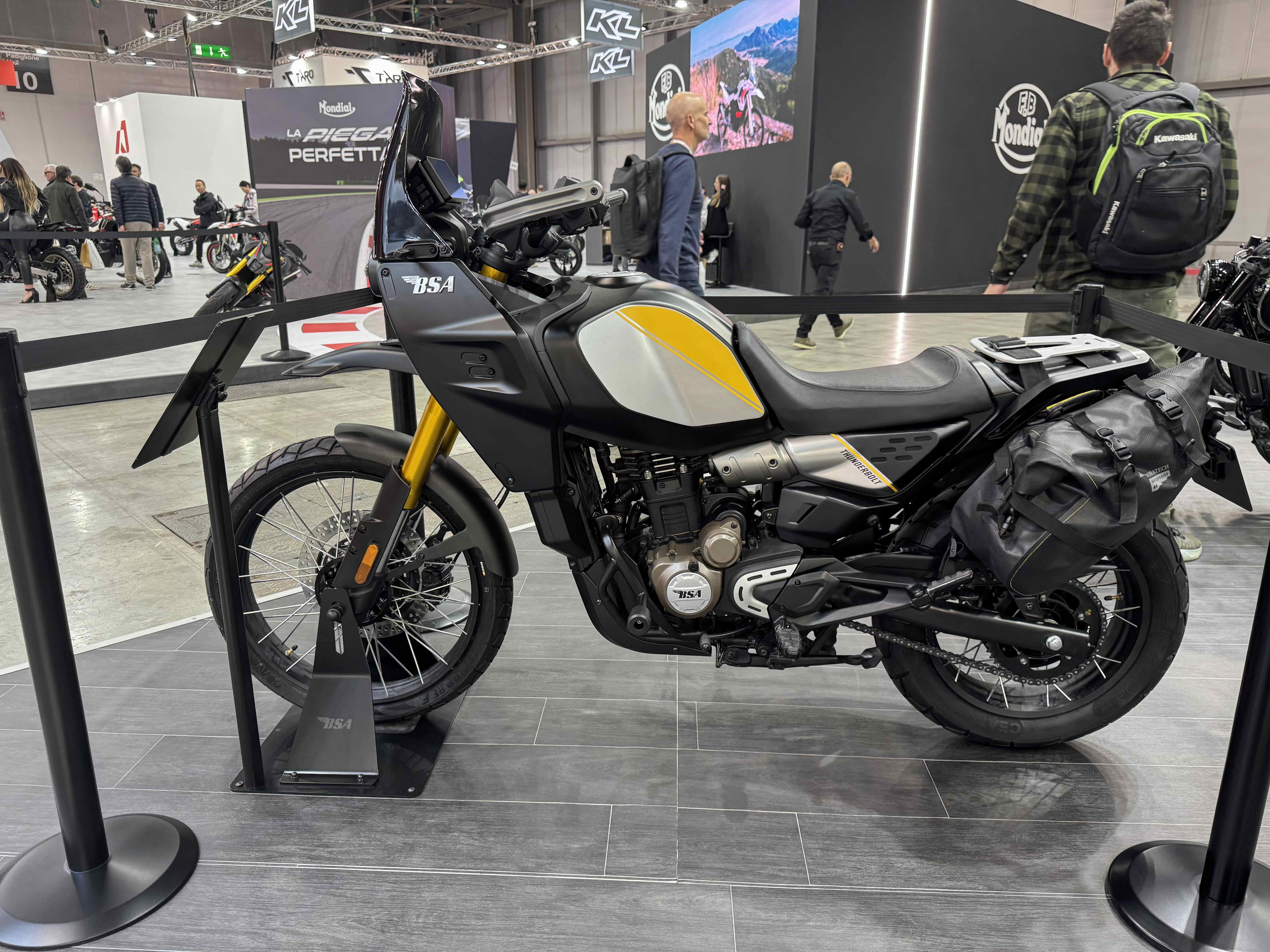
For riders looking further beyond the bitumen, the Thunderbolt 350 brings a more dedicated adventure-bike layout, including a 21-inch front wheel, 43mm upside-down forks and a linkage-equipped rear monoshock with seven-position preload adjustment.
Its 334cc liquid-cooled single features double overhead camshafts, four valves and twin spark plugs. BSA lists provisional outputs of 29hp – approximately 21.6kW – at 8100rpm and 29.62Nm at 6750rpm.
The Thunderbolt has a six-speed gearbox, 830mm seat height, 1465mm wheelbase and claimed wet weight of 202kg. Its 15.5-litre tank is the largest of the three models.
Tyre sizes are 90/90-21 at the front and 140/80-17 at the rear. Traction control and three ABS modes form part of the electronics package, while a tall screen and rally-inspired bodywork reinforce its touring brief.
BSA also announced fresh colours across its existing range. The Gold Star 650 gains Birmingham Blue and Brooklands Black, while the Scrambler 650 adds Deep Green, Black Chrome and Gloss Black alongside Victor Yellow.
The existing Bantam 350 receives a Mist Green finish, paying tribute to the first BSA Bantam released in 1948.
With a low-seat bobber, a retro scrambler and an adventure model heading towards production-market launches, BSA’s smaller-capacity range is becoming considerably more varied. Australian availability and pricing will be the next pieces of the puzzle.