AI Pothole Patrol picks up more than 300 road defects in Victorian trial.
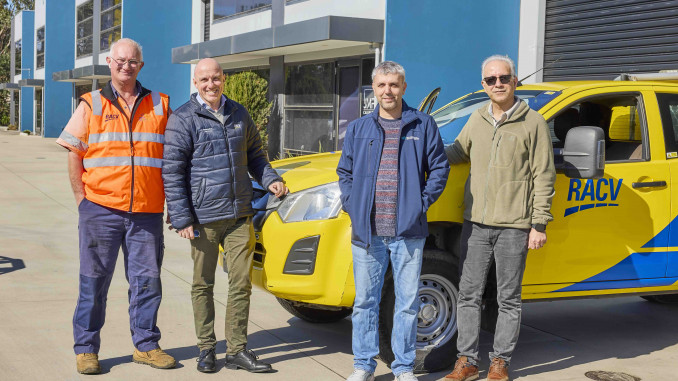
An RACV ‘Pothole Patrol’ roadside assistance van equipped with an AI-powered monitoring system has recorded more than 300 road defects in two months as part of a trial with RMIT University.
The Pothole Patrol pilot is testing whether vehicles travelling their regular routes can help identify deteriorating road surfaces earlier and give road managers better information to plan repairs.
An RACV Emergency Roadside Assistance van based on Victoria’s Mornington Peninsula has been fitted with ‘RoughSense’, a system that combines sensors, GPS tracking, video and vehicle movement data with artificial intelligence to detect potholes, cracking and rutting in near real time.
The van operates six days a week, servicing the area between Balnarring and Dromana.
Between 21 August and 21 October 2026, the system recorded more than 300 defects across 1000 kilometres of Victorian roads. Defects were most commonly recorded along the Frankston–Flinders Road corridor through Tyabb, Hastings, Bittern and Balnarring.
RMIT project co-investigator Associate Professor Hormoz Marzbani said the technology could identify subtle changes in road surfaces before more serious problems developed.
“Repeat passes over the same stretch of road identified worsening potholes, demonstrating the value of continuous monitoring,” Marzbani said.
The project aims to help road managers move towards preventative maintenance, with the potential to improve safety and reduce repair costs.
RMIT is leading the research, system integration and AI development, with industry collaborators including MetaSpatial contributing sensing hardware, field testing and data visualisation expertise.

The technology’s detections are also checked against observations from Mornington-based RACV patrol driver Mark Orlando, who manually flags defects while operating the trial vehicle.
“As someone who spends every day on Victorian roads, you can often see sections of road deteriorating long before they’re repaired,” Orlando said.
“Some defects can be difficult for motorists to spot, especially during wet weather, at night or on unfamiliar roads.
“Anything that helps identify hazardous road conditions sooner can improve safety and reduce vehicle damage.”
RACV Head of Public Policy James Williams said road condition concerns featured strongly in responses to the organisation’s 2026 My Country Road survey.
“This trial demonstrates how technology can provide valuable insights into road conditions, helping support more targeted maintenance planning and investment decisions,” Williams said.
The trial, funded by the National Road Action Grant and supported by RACV, will continue until January 2027. Researchers will use the results to refine the system’s accuracy, reliability and ability to track deterioration over time.
The next phase will explore deployment across larger vehicle fleets, potentially extending continuous road monitoring to more parts of Australia.