
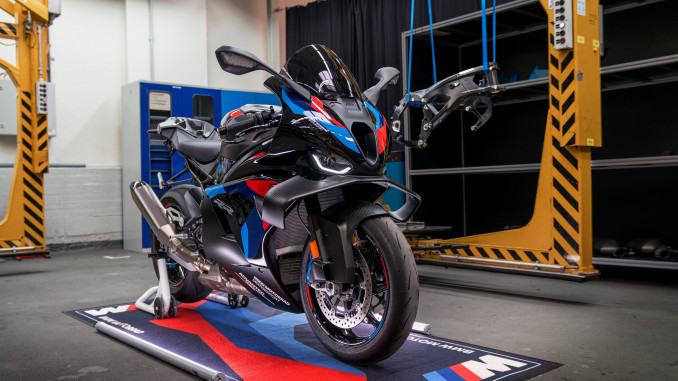
The 2027 BMW M 1000 RR will receive a lighter aluminium frame designed to improve handling, feedback and tyre contact through carefully controlled flex.
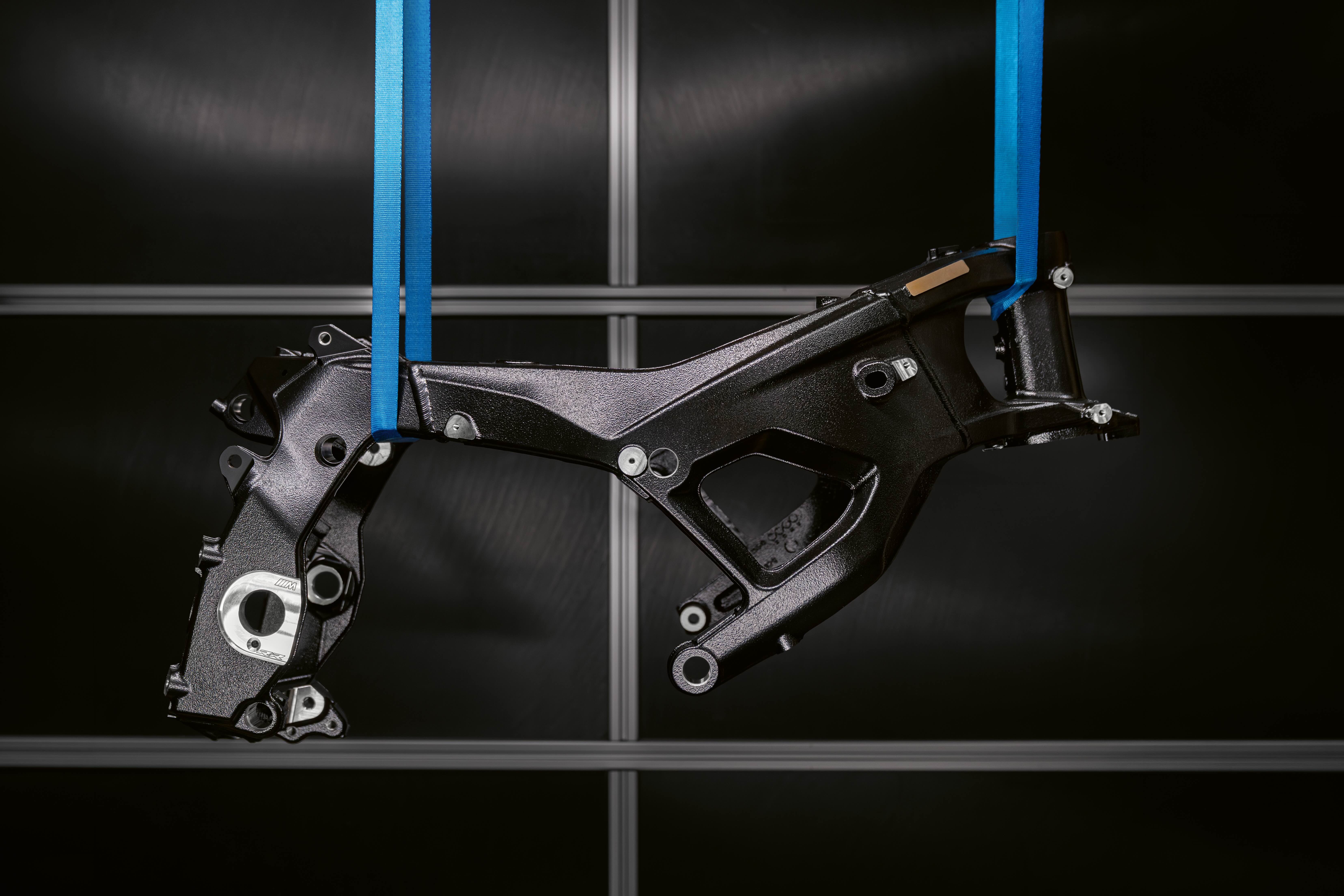
The BMW M 1000 RR will score a new frame for model year 2027, shedding around 1.3kg while targeting better performance when the bike is leant over. The third-generation M Motorsport frame brings development lessons from BMW’s factory and customer racing programmes to showroom models.
The changes go beyond removing weight. BMW has reduced wall thicknesses by up to 30 per cent to fine-tune where the frame remains stiff and where it can flex, with claimed benefits for agility, rider feedback and grip.
FLEX WITH A PURPOSE
The idea is to allow a controlled amount of lateral flex when the motorcycle is cornering, helping the chassis absorb road-surface inputs alongside the suspension.
BMW says this supports more consistent tyre contact, clearer feedback and more even tyre wear. At the same time, the frame retains high longitudinal stiffness to handle braking and acceleration forces.
In other words, the engineers have focused on allowing movement where it can help the tyres follow the surface, while maintaining the rigidity needed to keep the bike’s responses predictable under load.
The lower frame weight is also intended to improve agility and make rapid changes of direction easier. BMW has not supplied a revised complete-bike weight in this announcement.
“The new M Motorsport frame combines consistent lightweight construction with precisely tuned stiffness and flex characteristics,” said BMW Motorrad Motorsport head Sven Blusch.
“This provides the basis for precise chassis performance and maximum grip.”
FROM COMPUTER TO CIRCUIT
Development draws on three BMW facilities, with chassis design, simulation and testing carried out in Munich, aluminium casting in Landshut and final frame production in Berlin.
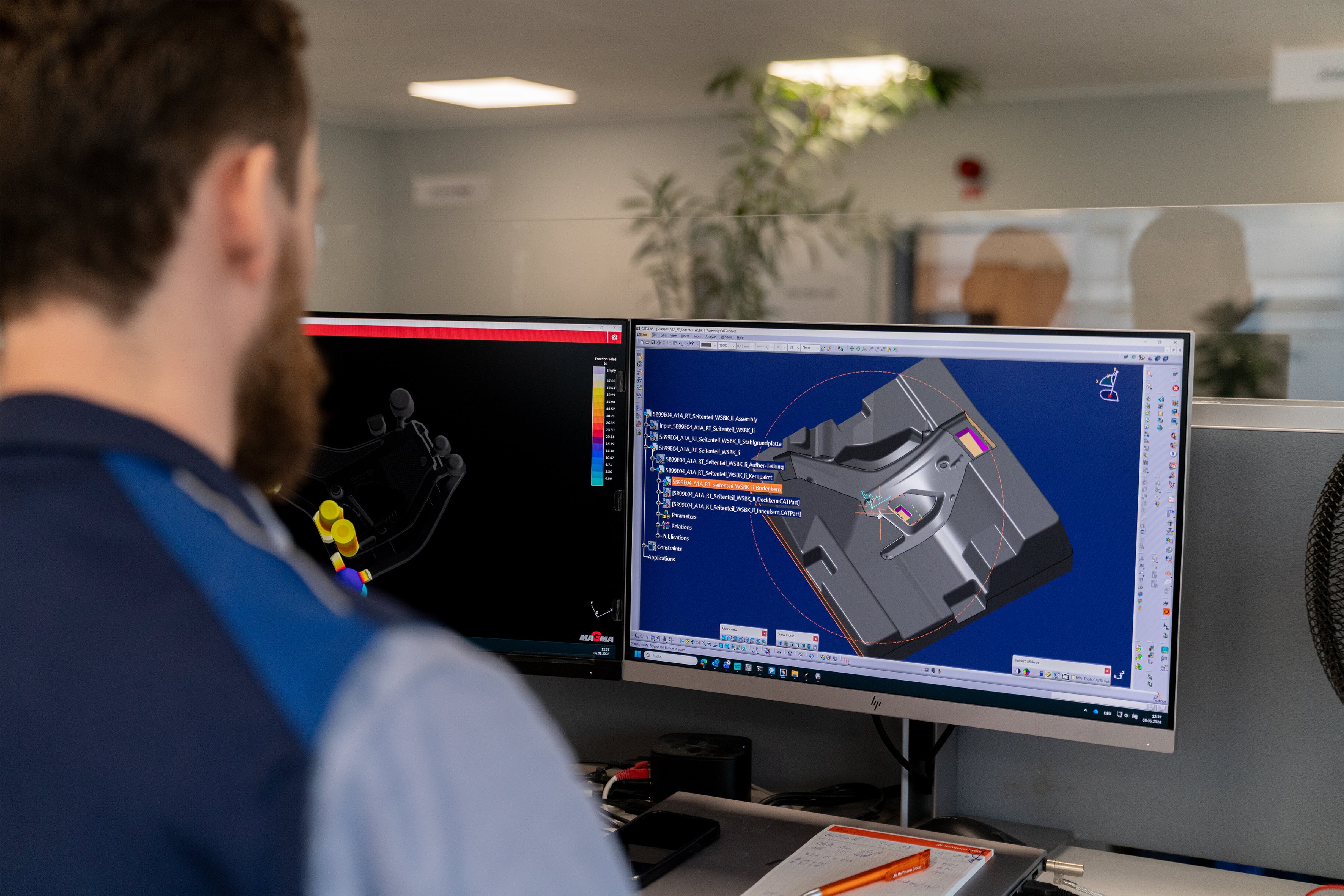
Engineers digitally model the geometry, wall thicknesses and stiffness distribution before validating the design through simulations, test rigs and riding tests.
The frame consists of four cast sections: the steering head, left and right sides, and rear section. These are produced using low-pressure casting, with molten aluminium fed into the mould in a controlled manner to reduce turbulence and trapped air.
Temporary sand cores create the internal cavities, allowing the complex, thin-walled components to be formed. Once the cores are removed, the castings undergo machining and checks that include X-ray inspection, wall-thickness measurements and dimensional testing.
FOUR PIECES, ONE FRAME
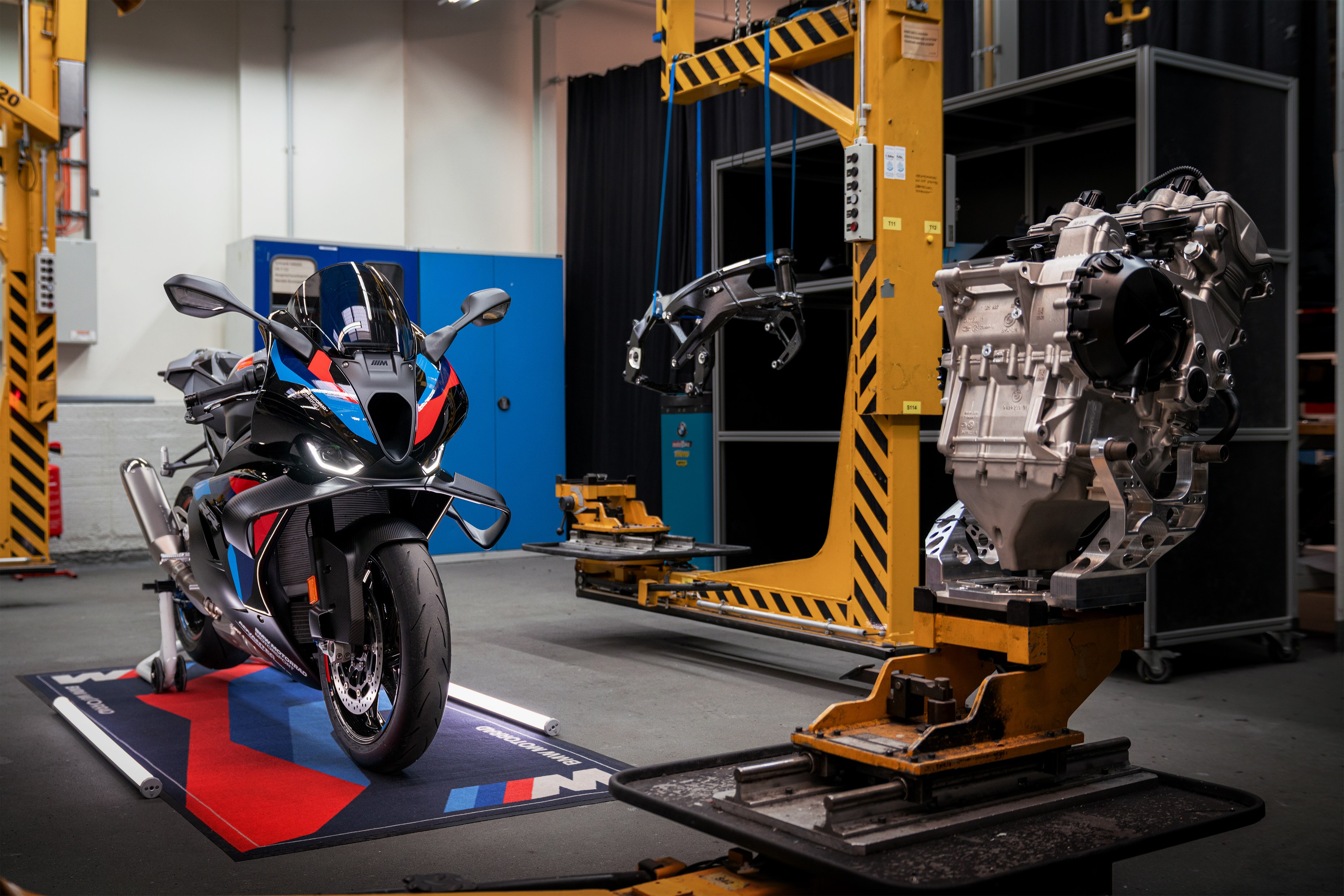
The four sections are then sent to Berlin, where they are TIG-welded together, coated for corrosion protection and finish-machined.
Final measurements confirm the position of mounting points and other critical surfaces before the frame is approved for motorcycle assembly.
BMW says the same development benefits its factory race teams, customer racers and buyers of the road-going M 1000 RR. The claimed improvements will need to be assessed from the saddle, but the engineering focus is clear: less weight and more useful feedback when riders push harder.
The new frame will be fitted from model year 2027.


